
Nvidia’s RTX Spark Ushers in New Era of Gaming
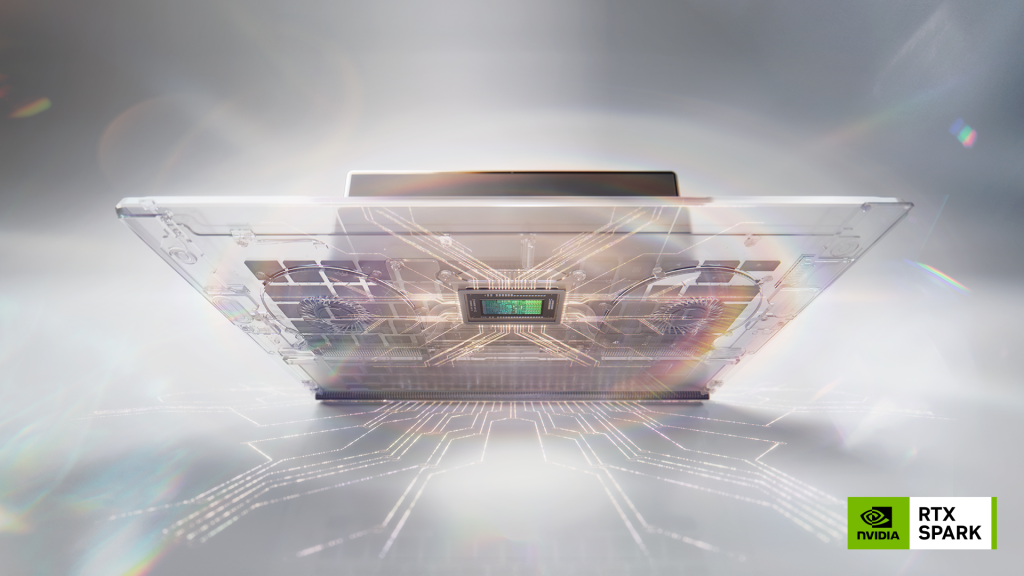
The future of gaming PCs could look very different thanks to Nvidia’s RTX Spark chip.
Nvidia has unveiled the RTX Spark system-on-chip, combining Arm CPU technology with Blackwell graphics architecture in a major shift for gaming hardware.
The new processor combines Arm-based CPU cores with Blackwell graphics technology in a single package, potentially allowing manufacturers to build smaller, more power-efficient gaming systems.
While traditional desktop PCs are unlikely to disappear overnight, the design hints at a future where gaming hardware borrows more ideas from smartphones and laptops, favouring integration and efficiency over sheer size.
For gamers, the benefits could include quieter systems, lower power consumption and more compact designs.
By integrating both elements into a single package, Nvidia believes it can deliver impressive gaming performance while dramatically improving power efficiency. That could allow manufacturers to build thinner laptops, compact desktops, and even all-in-one systems that offer high-end gaming experiences without the heat, noise, and power requirements of traditional gaming rigs.
The move mirrors a broader trend already seen elsewhere in consumer electronics. Smartphones have long relied on highly integrated chips that combine CPUs, graphics processors and AI accelerators. More recently, Apple demonstrated the advantages of this approach with its M-series chips, which transformed MacBook performance and battery life by unifying multiple functions into a single silicon design.
Nvidia Targets Gaming PCs
At the heart of RTX Spark is the company’s latest Blackwell graphics architecture, which underpins Nvidia’s newest GeForce RTX products. Blackwell introduces improvements in ray tracing performance, AI acceleration and rendering efficiency, while also expanding support for AI-driven technologies such as DLSS frame generation.
Pairing Blackwell graphics with Arm CPU cores could unlock several advantages. Communication between CPU and GPU can be faster because data no longer has to travel across separate chips and buses. Memory can be shared more efficiently, reducing latency and improving responsiveness. The result, at least in theory, is a system that delivers more performance per watt than traditional designs.
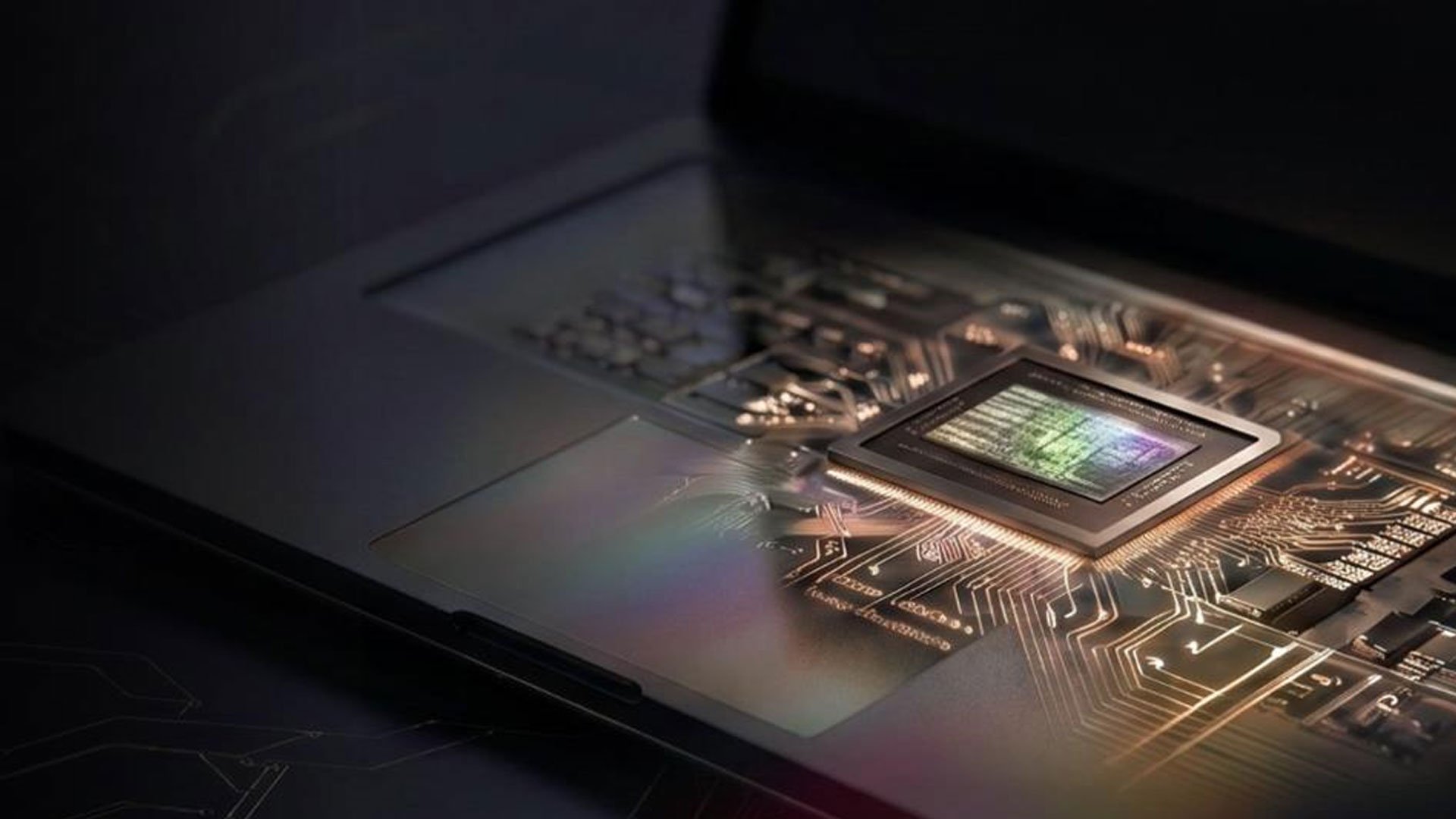
Power efficiency is becoming increasingly important. Modern gaming PCs can consume hundreds of watts under load, while flagship graphics cards have grown larger and more demanding with each generation. Consumers are also becoming more conscious of electricity costs, heat output and the physical size of their systems.
RTX Spark offers an alternative vision. Instead of ever-larger towers packed with increasingly powerful components, future gaming PCs could resemble compact media systems that sit unobtrusively in a living room or backpack. Quieter cooling systems and longer battery life would be additional benefits, particularly for portable gaming devices.
Roadblocks
The PC gaming ecosystem has been built around x86 processors from Intel and AMD for decades. Moving towards Arm-based designs requires software developers to ensure games and applications run smoothly on a different architecture. Although Windows on Arm has matured considerably in recent years, compatibility remains a concern for enthusiasts who expect older titles and niche applications to function flawlessly.
Competition is also intensifying. AMD continues to develop increasingly capable integrated graphics solutions, while Intel is investing heavily in its own graphics technology. Qualcomm has entered the PC market with Snapdragon X chips, and Apple has already proven that Arm-based systems can win over consumers when performance and battery life align.
Even so, Nvidia possesses unique advantages. Its dominance in graphics technology, leadership in AI hardware, and deep relationships with game developers give it the opportunity to influence the market’s direction in ways few companies can match.
For consumers, RTX Spark may not immediately replace the gaming PCs available today. Early products are likely to target premium laptops, compact desktops or specialist AI systems before filtering into the mainstream. But the announcement provides a clear indication of where the industry is heading.
The future of gaming hardware may no longer be defined by bigger graphics cards and larger power supplies. Instead, the next decade could belong to highly integrated systems that blend gaming, AI and everyday computing into devices that are smaller, smarter and significantly more efficient than the machines we use today.
If RTX Spark delivers on Nvidia’s ambitions, it may eventually be remembered not simply as a new chip, but as the beginning of a new chapter for the PC itself.


